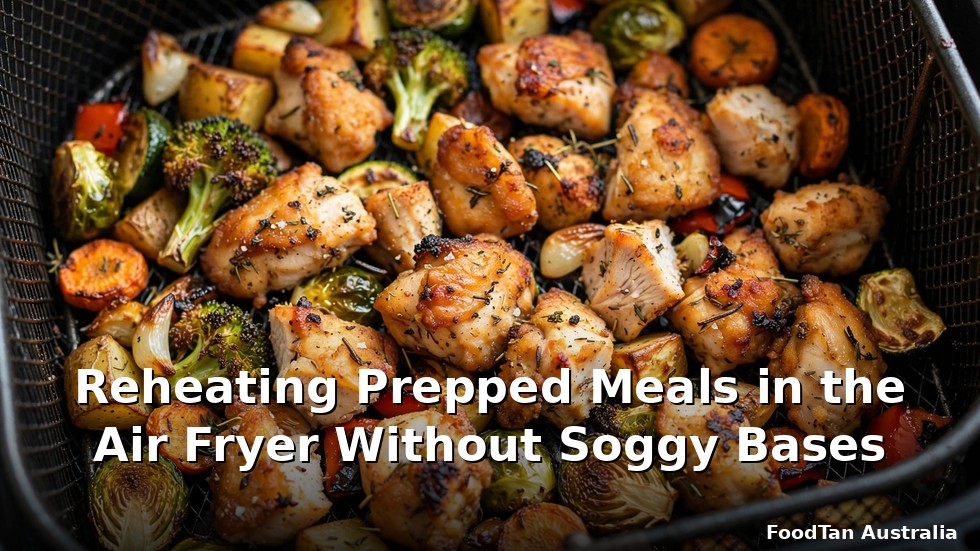
Reheating Prepped Meals in the Air Fryer Without Soggy Bases
There’s nothing quite as disappointing as opening a carefully packed meal prep container at lunchtime only to find your once-crispy crumbed chicken sitting in a puddle of its own condensation, or your roasted vegie wedges gone limp and sad. The microwave gets the blame most weeks, but the truth is that reheating prepped meals air fryer style changes the game entirely — if you know the handful of techniques that keep bases crisp instead of soggy.
I’ve spent years batch cooking for my household in Brisbane, and the air fryer is the single biggest upgrade I ever made to my meal prep routine. Not for the cooking itself — the oven does fine there — but for bringing day-three and day-four containers back to life. A meal that was brilliant fresh from the oven can still be brilliant on Thursday, provided you reheat it the right way.
This guide walks through exactly how to reheat every style of prepped meal in your air fryer, from saucy pastas to crispy schnitzels, without ending up with a soggy bottom. I’ll give you the timing charts, the tricks for different food types, and the storage habits that make reheating dramatically easier.
Key Takeaways
- Preheat your air fryer for 3–5 minutes — cold starts steam food instead of crisping it.
- Arrange food in a single layer with space around each piece; crowded baskets breed sogginess.
- Spritz lightly with oil for proteins, add a tablespoon of water for saucy dishes, and reheat at 160–180°C in short bursts.
- Store components separately when you can — crispy things away from wet things is the golden rule.
- Most prepped meals reheat perfectly in 5–10 minutes, roughly half the time of an oven and far crisper than a microwave.
Why Air Fryer Reheating Beats the Microwave for Prepped Meals
The microwave heats food from the inside out by exciting water molecules, which is exactly why everything comes out steamy and soft. That’s fine for soup. It’s terrible for anything that was once crispy. The air fryer does the opposite: blasting hot, dry, circulating air over the surface of your food, re-crisping exteriors while gently warming interiors.
There’s a practical reason this matters for meal prep. When you batch cook on Sunday, roughly half your week’s containers will include something fried, roasted, crumbed, or otherwise crispy. If you’re microwaving those, you’re accepting mediocrity five days a week. With an air fryer on the benchtop, your Thursday chicken schnitzel can taste like Sunday’s.
Energy-wise, the air fryer also wins for single-serve reheats. Running a full oven for 15 minutes to warm one container is overkill; most air fryers draw roughly 1,200–1,500 watts and finish the job in half the time. That’s an estimate, of course — check your own appliance’s rating — but for a budget food blog, every cent off the power bill counts.
The Golden Rules of Soggy-Free Air Fryer Reheating
Before the timing charts, nail these fundamentals. Get them right and you’ll rarely need to think about the specifics again.
1. Always preheat
This is the single most common mistake. Tossing cold food into a cold basket means the first few minutes are spent gently warming rather than crisping — and during that window, moisture rises from the food and settles on the surface, steaming everything. Run the air fryer empty at your target temperature for 3–5 minutes first. Yes, it costs a bit of power; it saves your lunch.
2. Single layer, breathing room
Hot air needs to circulate around each piece of food to carry moisture away. Stack food or crowd the basket and you trap steam exactly where you don’t want it. Reheat in batches if you must — two quick batches still beat one sad, soggy one.
3. Manage the moisture
Different foods need different moisture strategies. For dry, crispy items (schnitzels, nuggets, roast veg), a very light spritz of oil helps heat transfer and crisping. For saucy items (pastas, curries, casseroles), they actually dry out in the air fryer’s circulating air, so add a tablespoon or two of water and cover loosely with foil for the first half of reheating.
4. Flip or shake halfway
Every air fryer has hot spots. Flip proteins and shake baskets of vegies at the halfway mark so both sides get direct exposure to the hot air. This alone fixes a surprising number of soggy-bottom complaints.
5. Rest on a rack, not in the container
The moment food comes out of the air fryer, residual steam starts rising. If it sits in a sealed container or on a flat plate, that steam condenses underneath and undoes your crisping work. Tip reheated food onto a wire rack or paper towel for a minute before packing or plating.
Air Fryer Reheat Timing Chart: Every Meal Type
These times assume a standard basket-style air fryer, preheated, with food reheated from fridge temperature in a single layer. Flip or shake at the halfway point. Always check that reheated food is steaming hot through to the centre (above 75°C) before eating.
| Meal type | Temp (°C) | Time | Notes |
|---|---|---|---|
| Crumbed chicken schnitzel / nuggets | 180 | 6–8 min | Light oil spritz; flip halfway |
| Roast chicken pieces / drumsticks | 180 | 8–10 min | Skin side up; flip at 5 min |
| Roast vegies / wedges / chips | 190 | 6–8 min | Spread out; shake at 3 min |
| Lasagne / pasta bake (portion) | 160 | 10–12 min | Add 1 tbsp water; foil cover first half |
| Fried rice / savoury mince on rice | 170 | 6–8 min | Sprinkle water; stir halfway |
| Curry / casserole | 160 | 8–10 min | Oven-safe dish; stir halfway |
| Pizza slices | 170 | 4–5 min | Base crisps up beautifully |
| Meatballs / rissoles | 180 | 7–9 min | Turn once; add a minute for large ones |
| Quiche / frittata slice | 160 | 7–9 min | Warm through gently to avoid rubbery eggs |
| Stuffed capsicums | 170 | 8–10 min | Stand upright; foil over tops if browning too fast |
Technique Deep Dives: The Tricky Ones
Soggy-base pastas and lasagne
Baked pasta portions are the hardest reheat because the air fryer’s fan dries out the top while the bottom goes gluey. The fix: add a tablespoon of water over the portion, cover tightly with foil for the first 6 minutes at 160°C, then uncover for 4–6 minutes so the cheesy top re-crisps. You get a moist interior and a golden top — the best of both worlds.
Saucy meals in oven-safe dishes
Curries, stroganoffs, and casseroles reheat brilliantly in the air fryer if you treat it like a small, fast convection oven. Use a ramekin or any oven-safe dish that fits your basket, add a splash of water or stock, stir halfway through, and cover with foil if the top is browning before the middle is hot. The circulating air heats saucy dishes more evenly than a microwave, with no cold spots.
Crispy proteins: schnitzels, nuggets, crumbed fish
These are where the air fryer truly earns its benchtop space. The enemy is the crumb going from crisp to leathery, which happens when you reheat too hot for too long. Stick to 180°C, keep it under 8 minutes, and spritz lightly with oil — a refillable spray bottle of plain oil beats aerosol cans and costs cents. Flip halfway so the underside, which was sitting against the container’s condensation, gets a turn in the hot air.
Roast vegetables and chips
Day-old roast veg is limp because the starches have absorbed moisture overnight. High heat is the answer: 190°C for 6–8 minutes re-dehydrates the surface. Shake the basket at the 3-minute mark and again at 6. For wedges and chips, don’t oil them again — the residual oil from the original roast is plenty.
Storage Habits That Make Reheating Easier
The reheat starts on prep day. These habits take seconds and make a noticeable difference by Thursday.
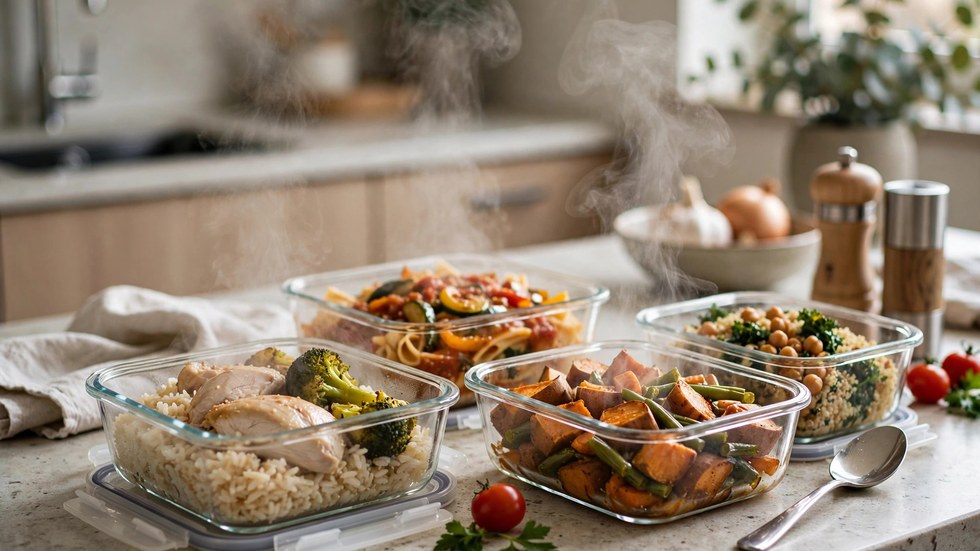
- Separate wet and dry components. Keep sauces, dressings, and gravies in small separate containers rather than poured over the meal. Pour them on after reheating. This one habit prevents more sogginess than any air fryer trick.
- Cool completely before sealing. Packing warm food traps steam inside the container, which condenses on the lid and rains back down. Spread food on a tray to cool for 20–30 minutes, then seal.
- Line containers for crispy items. A square of baking paper under crumbed items absorbs the small amount of moisture that escapes overnight.
- Portion into reheatable sizes. One serve per container reheats faster and more evenly than a big family-size block of lasagne that stays cold in the middle.
- Label with reheat instructions. A strip of masking tape noting “180°C, 8 min, flip” saves you looking this chart up every day — and helps if someone else is reheating for you.
What NOT to Reheat in the Air Fryer
The air fryer isn’t universal. Skip it for soups and stews with lots of liquid (the fan blows them around and dries the surface unevenly), for anything with a loose leafy salad attached (dressing goes on after, always), and for delicate fish fillets that were barely cooked the first time — they’ll overcook before they warm through. The stovetop or a gentle microwave is kinder to those.
Also be careful with cheese-heavy items at high heat: grated cheese on top of a pasta bake can go from golden to bitter in about 60 seconds at 190°C. Use foil to shield it once it reaches the colour you want.
Cost Breakdown: Air Fryer vs Oven vs Microwave Reheating
For the budget-conscious among us (which, on this blog, is everyone), here’s how a typical week of reheating five workday lunches stacks up. These are estimates based on average Australian electricity prices — your tariff will vary.
| Method | Typical reheat time | Est. cost per reheat | Weekly (5 lunches) |
|---|---|---|---|
| Microwave (1000W) | 3–4 min | ~$0.02 | ~$0.10 |
| Air fryer (1400W) | 6–10 min | ~$0.06 | ~$0.30 |
| Full-size oven | 15–20 min | ~$0.20 | ~$1.00 |
The air fryer costs a few cents more per reheat than the microwave but delivers a dramatically better result, and it runs at roughly a third of the cost of firing up the full oven. Over a year of weekday lunches, the oven habit costs about $35 more than the air fryer habit — roughly the price of a decent week’s groceries.
Australian Meal Prep & Macro Estimator
Pop in your costs in $ AUD and get per-portion cost, macros and storage guidance.
Frequently Asked Questions
Can you reheat food in the air fryer straight from the fridge?
Yes — all the timings in this guide assume fridge-cold food. Just add a minute or two if your portions are particularly thick, and always check the centre is steaming hot.
How do you stop the bottom going soggy when reheating?
Preheat the air fryer, keep food in a single layer with breathing room, flip or shake halfway, and rest reheated food on a wire rack for a minute before eating. Storing wet and dry components separately is the biggest preventive step.
Is it safe to reheat meal prep more than once?
Food safety guidance says to reheat leftovers only once, and to heat them to steaming hot (above 75°C) all the way through. Only take out and reheat the portion you’re about to eat.

You May Also Like
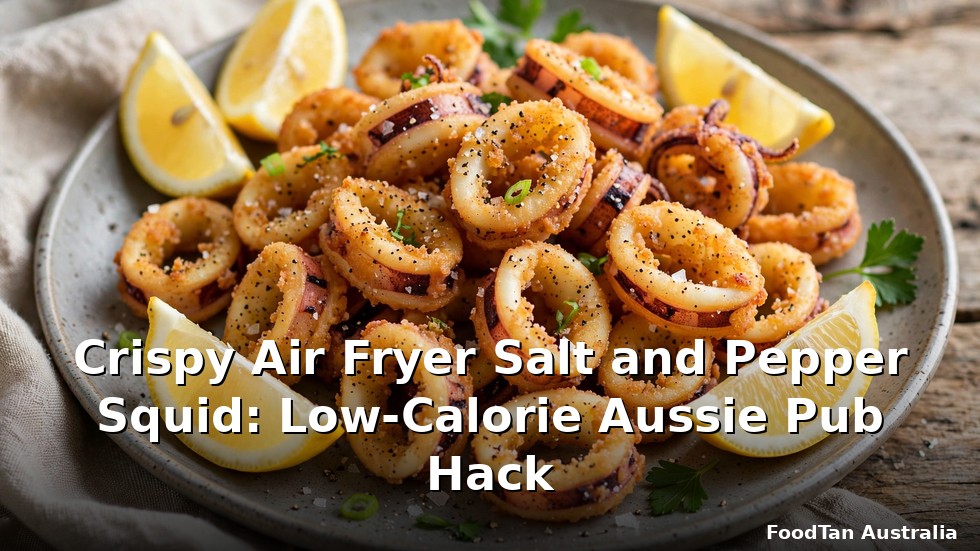
Crispy Air Fryer Salt and Pepper Squid: Low-Calorie Aussie Pub Hack
Air Fryer Turkey Burgers: High-Protein Meal Prep Bowls