
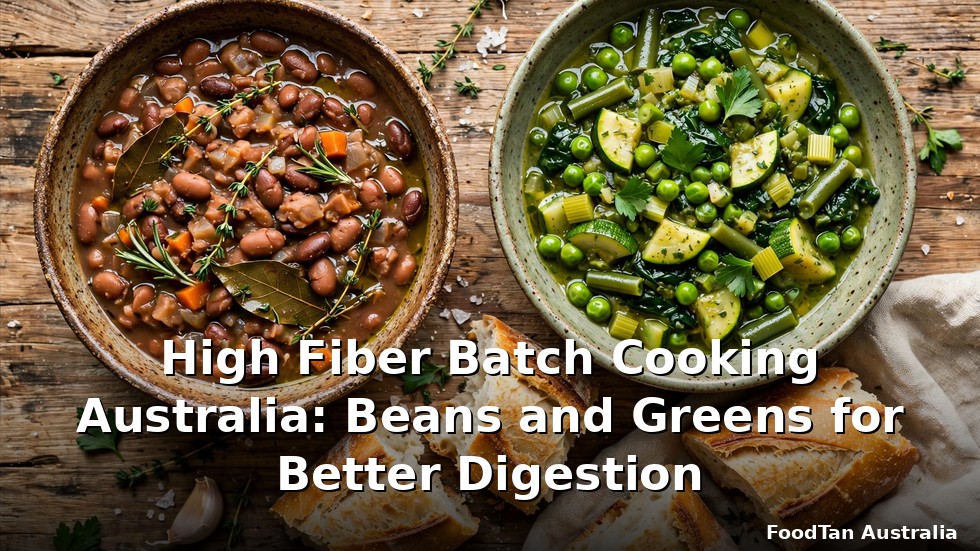
High Fiber Batch Cooking Australia: Beans and Greens for Better Digestion
Beans and greens are the quiet overachievers of the budget kitchen. A tin of beans costs about a dollar, a bunch of silverbeet or kale costs a couple more, and together they turn into the kind of hearty, satisfying food that keeps you full for hours. This high fiber batch cooking Australia guide is built around four big-batch recipes that make the most of these humble ingredients — cheap, freezer-friendly, and genuinely delicious.
Most of us don’t eat as much fibre as we could. It’s not a glamorous nutrient — nobody posts about it on social media — but meals built around beans, lentils and leafy greens have a way of leaving you comfortably full in a way that a white-bread sandwich never does. Batch cooking is the easiest way to make high-fibre eating automatic: cook once, eat well all week, and never think about it again.
The four recipes below are designed for real Australian kitchens and real Australian supermarkets. They use tinned beans (dried work too if you prefer), whatever greens are cheap that week, and pantry spices. Each one makes 6–8 generous serves and freezes beautifully.
Key Takeaways
- Beans are the cheapest filling food in the supermarket. Tinned beans run about $1–$1.50 (est.), and a single tin bulks out 2–3 hearty serves.
- Greens go in last. Add leafy greens in the final minutes of cooking so they stay vibrant and keep their texture — nobody wants grey, overcooked silverbeet.
- Ease in gradually. If beans aren’t a regular part of your diet, start with smaller portions and build up. Your gut will thank you for the gentle introduction.
- Drink water with high-fibre meals. Fibre does its best work when you’re well hydrated — keep the water bottle handy.
- These recipes freeze brilliantly. Beans and braised greens are among the best freezer foods there are. Portion, label, freeze.
Why Beans and Greens Deserve a Weekly Slot
Let’s start with the budget case, because it’s overwhelming. Dried lentils and chickpeas are among the cheapest foods you can buy — often under $3 a kilo at Aldi or the international grocers. Tinned beans cost a little more for the convenience, roughly $1–$1.50 a tin, and each tin delivers two to three solid serves of protein-and-fibre-rich food. There is simply no cheaper way to make a meal filling.
Then there’s the fullness factor. Meals built around beans and lentils tend to keep you satisfied longer than equivalent meals built around refined carbs alone. That’s not a medical claim — it’s the everyday experience of everyone who’s ever had a bowl of lentil soup at noon and realised at 4pm they haven’t thought about food since. For anyone trying to stretch a grocery budget, food that keeps you full is food that stops you spending money on snacks.
And the greens? Silverbeet, kale, spinach and Asian greens are nutritional workhorses that cost very little, cook in minutes, and bulk out any batch dish. A $3 bunch of silverbeet wilts down into a surprising volume of food. In winter, when they’re at their best and cheapest, they’re practically giving them away at the markets.
A quick note on fibre and your stomach
If your current diet is low in fibre, don’t go from zero to a giant bowl of bean chilli overnight. Increase gradually over a week or two, drink plenty of water, and let your digestive system adjust. Some initial bloating when you suddenly increase fibre is common and usually settles as your body gets used to it. Start with the lentil recipe below — red lentils are the gentlest introduction of the bunch.
High Fiber Batch Cooking Australia: The 4 Core Recipes
Each recipe makes 6–8 serves. All of them freeze well for a few months and reheat from thawed overnight in the fridge.
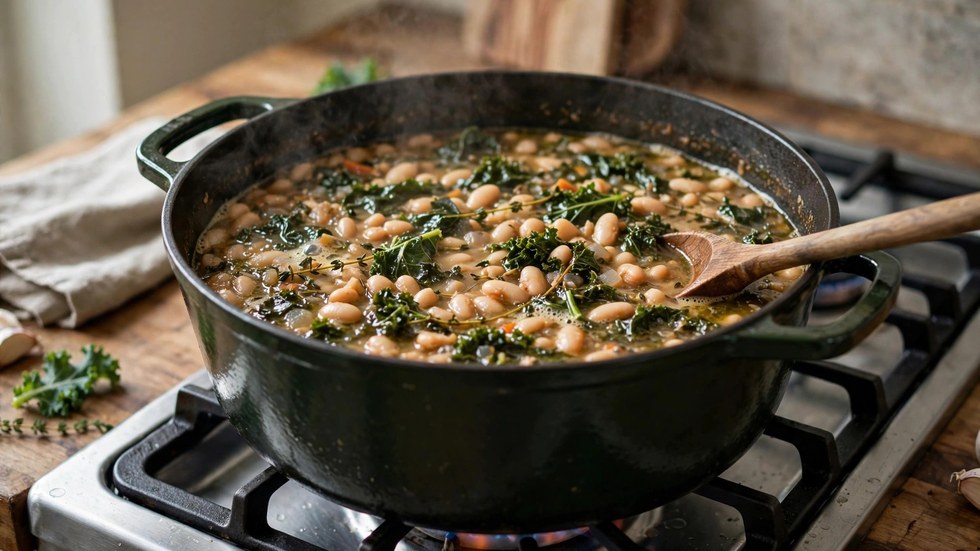
1. White Bean & Kale Braise with Lemon and Garlic
Tuscan-inspired, dead simple, and the kind of thing that tastes like it took far more effort than it did. The lemon at the end is non-negotiable — it lifts the whole pot.
Ingredients: 2 tins cannellini beans (drained and rinsed), 1 bunch kale (stems removed, leaves roughly chopped), 1 onion (diced), 4 garlic cloves (sliced), 1 tin chopped tomatoes, 500ml vegetable stock, olive oil, chilli flakes, lemon zest and juice, salt and pepper.
Method: Soften the onion in olive oil for 5 minutes. Add garlic and chilli flakes, cook 1 minute more. Tip in tomatoes and stock, simmer 10 minutes. Add beans, simmer another 10. Stir through the kale in the last 3–4 minutes until just wilted. Finish with lemon zest, juice, and a good glug of olive oil. Serve with crusty bread or over rice.
Why it works for prep: The flavours meld beautifully overnight — day two is arguably better than day one. Portions reheat in minutes.
2. Smoky Black Bean Chilli
The crowd-pleaser. Smoky, hearty, endlessly customisable, and a proven freezer champion. This is the recipe to make when you want the freezer stocked.
Ingredients: 3 tins black beans (drained and rinsed), 1 onion (diced), 1 capsicum (diced), 3 garlic cloves, 1 tin chopped tomatoes, 2 tablespoons tomato paste, 2 teaspoons smoked paprika, 1 teaspoon cumin, 1 teaspoon dried oregano, chilli to taste, 500ml stock, corn kernels (tinned or frozen), olive oil, salt.
Method: Soften onion and capsicum in oil, 5 minutes. Add garlic and spices, stir 1 minute until fragrant. Add tomato paste, cook 2 minutes. Tip in tomatoes, stock, beans and corn. Simmer 25–30 minutes until thick. Mash a ladleful of beans against the side of the pot and stir back in — this thickens the chilli naturally without any flour or cornflour.
Serving ideas: Over rice, in wraps with slaw, on baked potatoes, or as nachos. One batch, four different meals across the week. Top with yoghurt, cheese, avocado, or whatever’s in the fridge.
3. Red Lentil & Silverbeet Dal
The gentlest and the fastest — red lentils cook in about 20 minutes with no soaking. If you’re new to bean-heavy eating, start here.
Ingredients: 2 cups red lentils (rinsed), 1 onion (diced), 3 garlic cloves, thumb-sized piece of ginger (grated), 1 tablespoon curry powder or garam masala, 1 teaspoon turmeric, 1 tin coconut milk (light is fine), 750ml stock or water, 1 bunch silverbeet (stems finely chopped, leaves shredded), lemon or lime juice, oil, salt.
Method: Soften onion in oil, add garlic, ginger and spices, cook 1–2 minutes. Add lentils, coconut milk and stock. Simmer 15 minutes, stirring occasionally. Add silverbeet stems first (they need longer), then leaves for the final 3 minutes. Squeeze over lemon or lime. The dal should be thick and porridge-like — add water if it’s too thick, simmer longer if too thin.
Prep tip: This thickens considerably as it sits. When reheating portions, add a splash of water and stir well. Serve with rice or flatbread.
4. Chickpea & Spinach Coconut Curry
Weeknight-friendly and endlessly adaptable. The base recipe is mild — add chilli to taste, or keep it gentle for a family-friendly version.
Ingredients: 2 tins chickpeas (drained and rinsed), 1 onion (diced), 3 garlic cloves, 1 tablespoon curry paste or powder, 1 tin chopped tomatoes, 1 tin coconut milk, 200g baby spinach (or 1 bunch English spinach, chopped), oil, salt, fresh coriander to serve.
Method: Soften onion, add garlic and curry paste, fry 2 minutes until fragrant. Add tomatoes and coconut milk, simmer 10 minutes. Add chickpeas, simmer 10 more. Wilt the spinach through at the very end — it only needs a minute or two. Taste and adjust salt. Serve over rice with coriander.
Variation: Add diced sweet potato or pumpkin with the chickpeas for extra bulk (add 10 minutes to the simmer). Cauliflower works too — whatever’s cheap that week.
The Smart Shopper’s Bean Guide
Not all beans are equal when you’re buying in Australia. Here’s how to get the most feed for your dollar:
- Tinned vs dried: Dried beans and lentils are dramatically cheaper per serve, but they need soaking (beans) and longer cooking. Red lentils and split peas need no soaking and cook fast — the best of both worlds. Tinned beans cost more but the convenience is real: open, rinse, cook. For weekly batch cooking, a mix works well — dried lentils for speed, tinned beans for variety.
- Buy tinned on special: Tinned beans, tomatoes and coconut milk go half-price regularly at Coles and Woolies. When they do, buy a dozen. They keep for years in the pantry and they’re the backbone of every recipe above.
- Frozen greens count: Frozen spinach is cheap, pre-washed, pre-chopped, and nutritionally right up there with fresh. A 500g block for a couple of dollars is one of the best value veg buys in the freezer aisle. Keep a block on hand for curries and dals.
- Market greens in winter: Silverbeet, kale and Asian greens are cheapest and best in the cooler months. In summer, lean on frozen spinach, cabbage (which keeps for weeks in the fridge), and whatever’s on special.
- Don’t rinse away flavour — actually, do rinse: Rinsing tinned beans washes off excess sodium and the starchy liquid, giving you a cleaner flavour. Always rinse. (The liquid from chickpea tins — aquafaba — whips up like egg whites if you’re into baking, but that’s another article.)
Fibre Per Serve: What You’re Actually Getting
Exact fibre content varies by brand and portion size, so treat these as approximate guides rather than lab measurements. They’re useful for comparing the recipes against each other:
| Recipe (per generous serve) | Approx. fibre | Approx. protein | Est. cost per serve (AUD) |
|---|---|---|---|
| White Bean & Kale Braise | 10–12g | 12–14g | $2.20 |
| Smoky Black Bean Chilli | 12–15g | 14–16g | $2.00 |
| Red Lentil & Silverbeet Dal | 9–11g | 13–15g | $1.80 |
| Chickpea & Spinach Curry | 10–13g | 11–13g | $2.40 |
For context, Australian dietary guidance suggests around 25–30g of fibre per day for adults. One bowl of any of these recipes gets you roughly a third to half of that in a single meal — before you’ve counted breakfast, snacks, or anything else. All figures are approximate and will vary with your exact ingredients and portion sizes.
Want to compare costs across your own batch recipes? The calculator below does the per-serve maths for you.
Australian Meal Prep & Macro Estimator
Pop in your costs in $ AUD and get per-portion cost, macros and storage guidance.
Batch Day: Cooking All Four in One Go
Ambitious? Slightly. Doable in about two hours? Absolutely, because three of these recipes are mostly hands-off simmering. Here’s the game plan:
- Start the dal first. It’s the fastest — get it simmering while you prep everything else.
- Get the chilli going. Brown the aromatics, add everything, set a timer for 25 minutes, walk away.
- Start the white bean braise. Same pattern: aromatics, tomatoes, stock, beans, simmer.
- Chickpea curry last. By the time the first three are simmering, you’ve got a clear stove and prepped ingredients.
- Wilt greens into each pot in the last few minutes of their cooking time.
- Cool, portion, label, freeze or refrigerate. You’ll have roughly 26–30 serves. That’s a serious dent in a month’s dinners.
Total active time is well under an hour — the rest is simmering while you get on with your Sunday. Put on a podcast, and the time flies.
Storage and Reheating
Cool the pots reasonably quickly (spread into shallow containers if you’re in a hurry), then portion into sealed containers. Refrigerated portions keep 3–4 days; frozen portions keep well for a few months for best quality. Thaw overnight in the fridge.
Reheating is straightforward: microwave until steaming, stirring halfway, or warm gently in a saucepan. Bean dishes thicken in storage — add a splash of water when reheating and stir well. The dal in particular will look alarmingly solid straight from the fridge; it’s fine, just add water.
One thing to avoid: reheating the same portion multiple times. Only heat what you’ll eat. It keeps the texture better and it’s better practice.
Keeping Beans Interesting Long-Term
The fastest way to kill a good habit is boredom. A few strategies:
- Change the cuisine weekly. The same black beans become Mexican chilli, Cuban-style with rice, or Cajun with the right spices. The bean is just the canvas.
- Toppings are everything. A $2 tub of yoghurt, some pickled onions, fresh herbs, a fried egg, chilli oil — toppings turn the same base into a different meal.
- Texture contrast. Reheated bean dishes are soft. Add something crunchy: toasted nuts, crispy chickpeas, fresh slaw, crusty bread. It makes a surprising difference.
- Half-and-half weeks. Don’t batch cook only beans. Alternate bean weeks with other proteins so nobody gets bean fatigue. Variety is what makes the system last.
Beans and greens won’t win any beauty contests, but as a weekly meal prep anchor they’re close to unbeatable: some of the cheapest food in the shop, genuinely filling, freezer-friendly, and endlessly adaptable. Pick one recipe, make it this weekend, and see how far a couple of dollars’ worth of tins can go.
You May Also Like

Cold Lunch Meal Prep Australia: High-Protein Salad Bowls That Don’t Get Soggy

Canned Salmon Meal Prep Bowls: High-Protein Salad Bowls, No Mayo Style