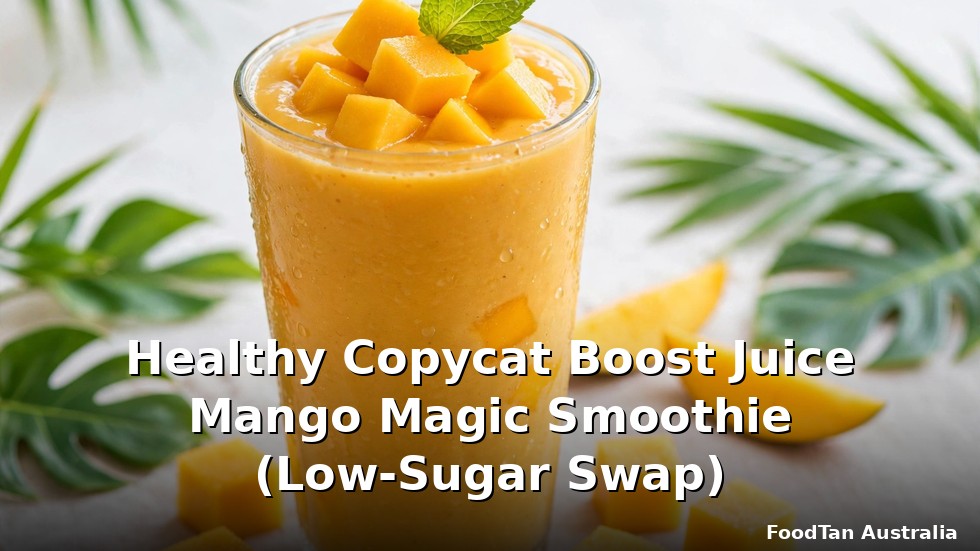
Healthy Copycat Boost Juice Mango Magic Smoothie (Low-Sugar Swap)
There is nothing quite like a thick, icy mango smoothie on a scorcher of an afternoon — the kind that is more dessert than drink. The takeaway version is a certified crowd-pleaser, but between the price and the sugar load, it is not an everyday habit for most of us. This copycat boost juice mango magic is my homemade answer: all the creamy tropical flavour, built on real frozen mango and yoghurt, with no added sugar and a per-glass cost that makes the juice-bar price look silly.
Straight up: this is a homemade, inspired-by recreation. It is not affiliated with or endorsed by Boost Juice, and I am not claiming to know or reproduce their actual proprietary recipe. It is simply my take on the mango smoothie concept — a low-sugar swap designed for home blenders, lunchboxes and post-training refuels.
- A thick mango smoothie with frozen mango, banana, Greek yoghurt and milk — no added sugar, no syrups, no juice concentrates.
- Estimated cost is around $2 to $3 AUD per large glass, versus $8-plus at a juice bar.
- Roughly 14 g of protein per serve (estimate) when made with Greek yoghurt and milk.
- Freezer smoothie packs make this a 60-second breakfast: bag the fruit portions ahead, then just add liquid and blend.
- Dairy-free, higher-protein and kid-friendly variations are all covered below.
Why This Copycat Boost Juice Mango Magic Skips the Sugar Crash
Most commercial smoothies lean on fruit juice, sorbet or flavoured yoghurt to hit that intense sweetness, and that is where the sugar stacks up fast. The trick to a genuinely good low-sugar mango smoothie is using fruit that is properly ripe and properly frozen. Frozen mango at peak ripeness tastes dramatically sweeter than fresh out-of-season mango, and freezing it solid is what gives you that spoon-thick, almost soft-serve texture without a single ice cube watering it down.
The banana is doing quiet structural work. Half a banana adds creaminess and body that lets you cut back on yoghurt without losing the luscious mouthfeel, and its natural sweetness means most people will not miss added sweeteners at all. If your bananas are spotty and overripe, peel and freeze them in chunks — they are smoothie gold and it stops them going in the bin.
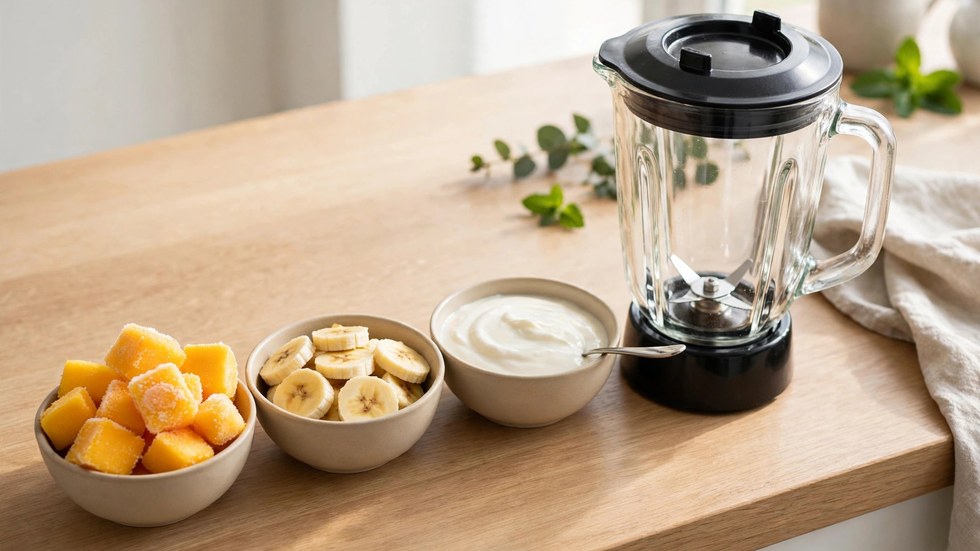
Greek yoghurt is the protein play. It thickens the smoothie, adds a pleasant tang that balances the mango’s sweetness, and turns what could be a sugar delivery vehicle into something that actually keeps you full. A 170 g tub — the standard single-serve size — is the perfect amount for two large glasses.
Ingredients You’ll Need (Makes 2 Large Glasses)
Four ingredients, one blender, five minutes. Prices are estimates based on typical Australian supermarket prices; buying a big bag of frozen mango is the single best cost move here.
| Ingredient | Amount for 2 glasses | Est. cost (AUD) |
|---|---|---|
| Frozen mango chunks | 3 cups (about 450 g) | ~$3.00 |
| Banana, frozen in chunks | 1 medium | ~$0.40 |
| Greek yoghurt, plain | 170 g tub | ~$1.80 |
| Milk of choice | 1 cup | ~$0.40 |
| Vanilla extract and a squeeze of lime (optional) | Pantry | ~$0.20 |
| Total | 2 large glasses | ~$5.80 |
How to Make It
Order matters with thick smoothies: liquids first, then soft ingredients, then frozen fruit on top. This lets the blades catch and pull everything down instead of spinning uselessly.
- Pour the milk into the blender first, then add the Greek yoghurt, a tiny splash of vanilla extract if you like, and a squeeze of lime juice. The lime is optional but it makes the mango taste more like mango — a small thing that makes a real difference.
- Add the frozen banana chunks, then pile the frozen mango on top. If your blender is on the smaller or older side, let the fruit sit for 5 minutes to soften slightly at the edges.
- Blend on high for 60 to 90 seconds, stopping once to scrape down the sides. You are looking for a texture like soft-serve: thick enough that it barely pours, with no icy chunks remaining.
- Check the thickness. Too thick to blend? Add milk a tablespoon at a time. Too thin? Add a handful more frozen mango. Pour into tall glasses immediately — this smoothie waits for no one.
- Top with a few cubes of fresh mango or a mint leaf if you are feeling fancy. Drink straight away for the best texture.
Freezer smoothie packs: the 60-second version
If this is becoming a regular, batch the fruit into zip-lock bags: 1 1/2 cups frozen mango and half a banana per bag. Squeeze the air out, label, and freeze for up to 3 months. Write the date on each bag with a marker so you rotate the oldest packs first, and lay the bags flat while they freeze so they stack neatly and blend a touch faster on busy mornings. On blending day, tip one bag into the blender, add yoghurt and milk, and blend. It turns a healthy breakfast into less work than making toast.
Cost Breakdown: Under $3 a Glass
The maths here is almost comical. A large juice-bar mango smoothie runs $8 to $10 AUD; the homemade version lands under three dollars with better ingredients and no queue.
| Item | Takeaway juice bar (est.) | Homemade per glass (est.) |
|---|---|---|
| Price | ~$8.50 AUD | ~$2.90 AUD |
| Added sugar | Often contains juice/sorbet/sweetened yoghurt | None — sweetness from whole fruit only |
| Protein (estimate) | ~5-8 g | ~14 g |
| Time | Travel + queue | ~5 minutes at home |
Australian Meal Prep & Macro Estimator
Pop in your costs in $ AUD and get per-portion cost, macros and storage guidance.
Nutrition Snapshot (Estimates Per Large Glass)
Rough estimates for one large glass made as written with reduced-fat milk. Whole fruit means natural sugars plus fibre — a very different proposition from juice-based drinks.
| Nutrient | Estimate per glass |
|---|---|
| Energy | ~1,450 kJ (~345 Cal) |
| Protein | ~14 g |
| Carbohydrates | ~62 g |
| Total sugars (naturally occurring) | ~48 g |
| Added sugars | 0 g |
| Fat | ~4 g |
| Fibre | ~6 g |
Meal Prep and Storage
Smoothies are best fresh, but the prep-ahead system makes them nearly instant. Those freezer smoothie packs are the whole strategy: portion the fruit once a fortnight and the daily effort drops to pouring milk and pressing a button.
Blended smoothie keeps in a sealed jar in the fridge for up to 24 hours, though it will thicken and separate a little — a vigorous shake brings it most of the way back. For lunchboxes, blend in the morning, fill a well-sealed bottle to the very top to minimise air, and keep it chilled; it will still be good by lunchtime.
Frozen mango quality varies enormously by brand. The 1 kg bags from the freezer aisle are usually the best value, but if you spot fresh Kensington Pride or Calypso mangoes cheap in summer, buy a tray, dice and freeze them yourself on a lined tray before bagging. Home-frozen mango at peak season beats anything from a bag.
Easy Swaps and Variations
Dairy-free is simple: use a plain coconut or soy yoghurt and your usual plant milk. Coconut yoghurt plus mango is a particularly good combination — it leans into the tropical vibe.
For a higher-protein version, add a scoop of vanilla protein powder and an extra splash of milk; that takes the protein to roughly 30 g per glass (estimate) and makes it a genuine post-training meal. Kids who find Greek yoghurt too tangy usually prefer it made with regular vanilla yoghurt — check the label and pick one without added sugar if you can.
Want it greener without tasting like lawn? A handful of baby spinach disappears completely into the mango flavour while adding colour and fibre. And if you genuinely need it sweeter — say, for converting sceptical teenagers — a teaspoon of honey is a far smaller sugar load than any juice-bar syrup, though most ripe mangoes make it unnecessary.
That is the whole recipe: real fruit, real yoghurt, zero added sugar, and a blender doing all the heavy lifting. Once the freezer packs are in rotation, you will wonder why you ever paid juice-bar prices. It is the kind of small kitchen system that pays for itself within a fortnight, in both dollars saved and weekday mornings reclaimed.
You May Also Like
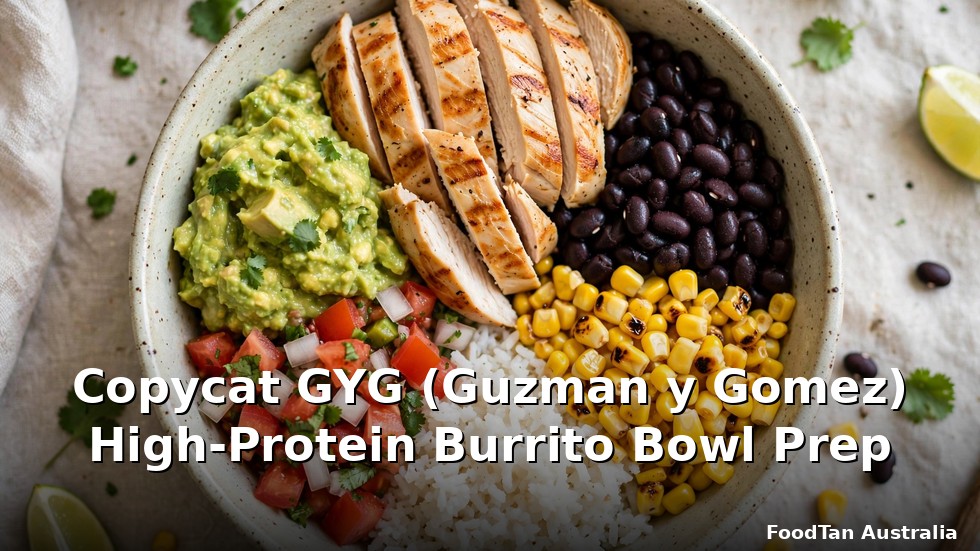
Copycat GYG (Guzman y Gomez) High-Protein Burrito Bowl Prep
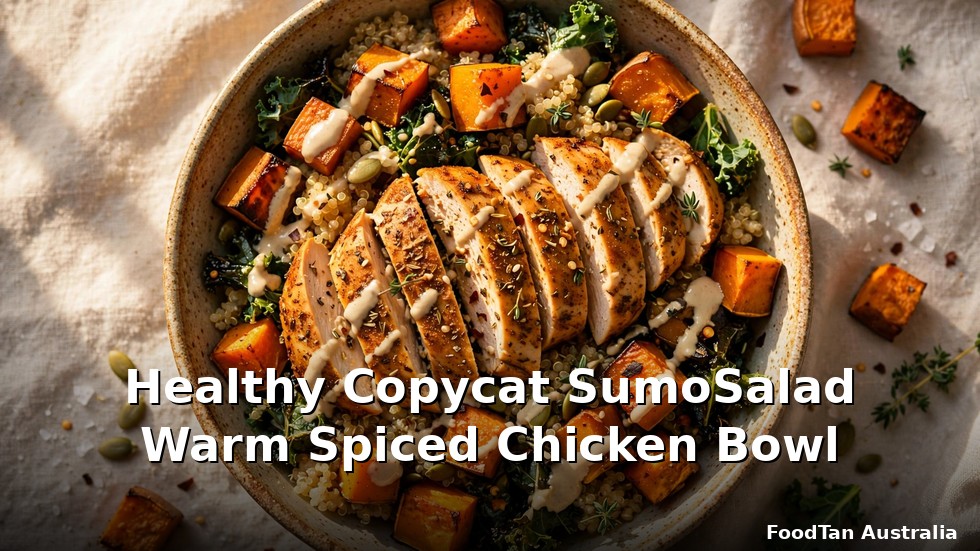
Healthy Copycat SumoSalad Warm Spiced Chicken Bowl